
Documents required for exporting to Poland
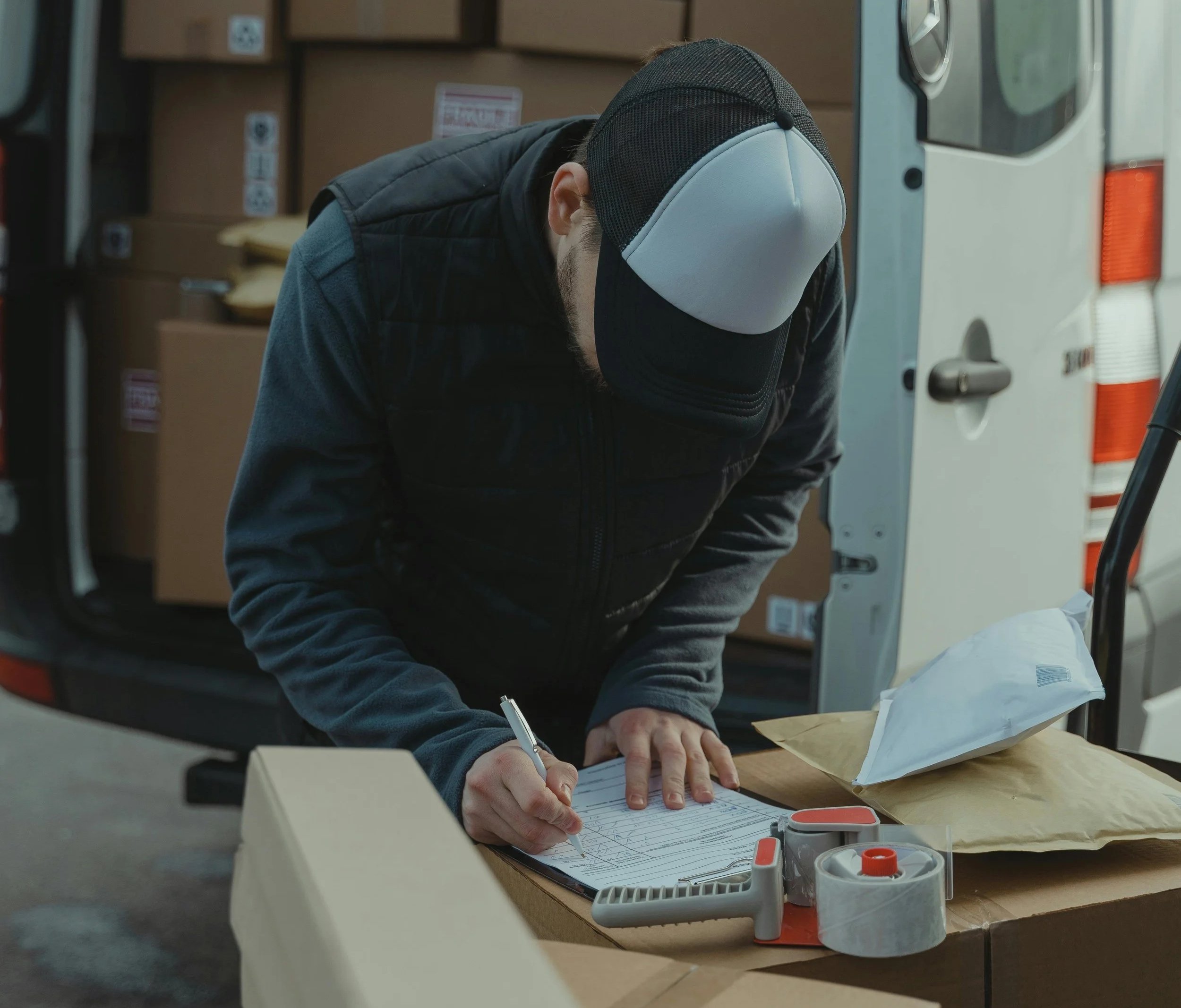
Exporting the products of your fashion brand to Poland is a time‑consuming, complex, and full of regulatory pitfalls process. Without an experienced local agency to guide you, it’s very easy to make costly mistakes in documentation, compliance, and customs processes, this is exactly why we’ve prepared the key document list below .
1. Commercial Invoice
The commercial invoice is the most important document when exporting to Poland. It serves as the primary reference for customs authorities and must accurately reflect the transaction. It should clearly identify the seller and buyer, describe the fashion products in detail, state the correct HS codes, country of origin, declared value, currency, and agreed Incoterms. In fashion exports, unclear or overly generic product descriptions are one of the most common causes of customs delays.
2. Packing List
The packing list complements the commercial invoice and provides a physical breakdown of the shipment. It explains how the goods are packed, including quantities, weights, dimensions, and the distribution of items across cartons or pallets. When exporting to Poland, inconsistencies between the packing list and the invoice often trigger inspections, causing unnecessary delays at customs or logistics hubs.
3. EORI Number
An EORI (Economic Operators Registration and Identification) number is mandatory for companies exporting to Poland. This number allows customs authorities to identify your business and process declarations. Many brands assume that a VAT number alone is sufficient, but without an EORI number, shipments cannot be cleared correctly.
4. Proof of Origin
Proof of origin documents confirm where your products were manufactured and may impact duty treatment. When exporting to Poland, this becomes especially complex for fashion brands with international supply chains, where fabrics, production, and finishing may take place in different countries. Incorrect origin declarations can lead to financial penalties or retroactive duty claims.
5. Customs Declaration
A customs declaration formally registers your goods with Polish customs authorities. It includes information such as HS codes, customs value, origin, and applicable duties or VAT. Even though Poland is part of the EU, non‑EU‑origin goods must still be declared properly. Errors in declarations are one of the most common and costly mistakes when exporting to Poland.
6. Product Compliance and Labeling Documentation
Fashion products exported to Poland must comply with EU and local consumer regulations. This includes correct textile composition labeling, care instructions, and mandatory information provided in Polish. Brands often underestimate how strictly Polish retailers enforce labeling rules, which can result in rejected products even after a successful import.
7. VAT and Tax Documentation
Depending on how you sell in Polandthrough distributors, wholesalers, or direct‑to‑consumer you may need Polish VAT registration or OSS/IOSS documentation. Exporting to Poland without a clear VAT strategy can quickly create tax risks, unexpected costs, and compliance issues that affect long‑term growth.
We know that exporting to Poland can feel overwhelming especially when documentation becomes a barrier instead of a formality. With the right partner, it doesn’t have to be.
Contact Scandimo and let us help you navigate the export process, avoid costly mistakes, and build a strong, compliant presence in the Polish fashion market.
